
Ethereum Price in 2026 – Between Hype and Hard Math
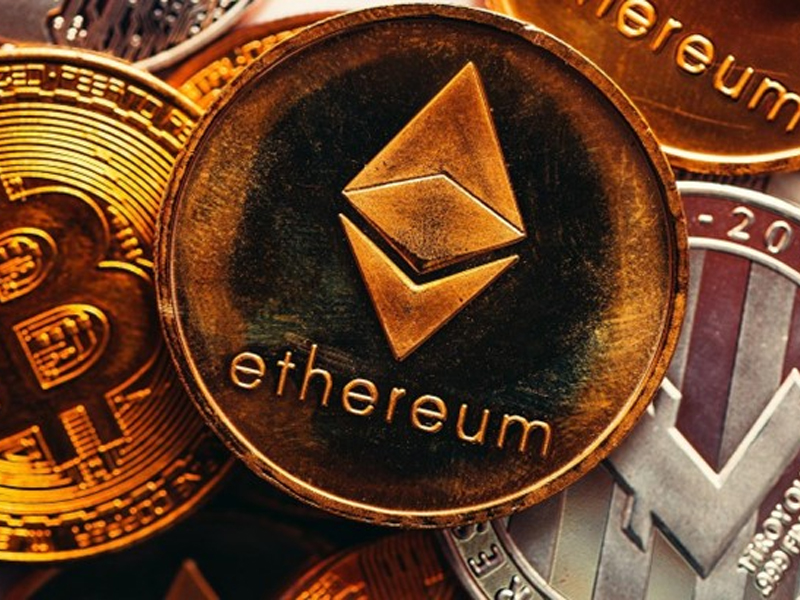
Ethereum has reached that awkward age where hype alone no longer moves the price.
Back in earlier cycles, ETH could double on vibes, roadmap tweets, or vague promises about “the future of finance.” Heading into 2026, that era is over. Ethereum is no longer a narrative experiment — it’s infrastructure. And infrastructure doesn’t pump because of dreams. It moves because of usage, capital flows, and macro conditions.
As we enter 2026, Ethereum sits in a strange but powerful position:
-
It dominates DeFi.
-
It hosts the majority of stablecoins.
-
It’s the preferred chain for tokenized real-world assets.
-
And it’s increasingly treated as digital collateral, not just a speculative token.
So the real question for investors isn’t “Can ETH go up?”
It’s:
How high can Ethereum realistically trade in 2026 — without fairy tales?
Let’s break it down.
Ethereum Price Today (December 27, 2025)
Before predicting the future, we need to anchor reality.
Current ETH Market Data
-
ETH Price: ~$2,500
-
Market Capitalization: ~$310 billion
-
Circulating Supply: ~120.2 million ETH
-
ETH Staked: ~33 million ETH (~27%)
-
24h Trading Volume: $10–18 billion
Sources: CoinMarketCap, CoinGecko, Glassnode
Ethereum ends 2025 well above its bear market lows, but still far from its all-time high. That matters — because it tells us this is not a euphoric market top.
Ethereum Historical Price Performance: Context Matters
ETH Average Price by Year
| Year | Average Price (USD) | Market Cap |
|---|---|---|
| 2021 | $3,200 | $380B |
| 2022 | $1,300 | $160B |
| 2023 | $1,800 | $220B |
| 2024 | $2,200 | $270B |
| 2025 | $2,500 | $310B |
Source: CoinGecko
Chart Description
Ethereum’s long-term chart shows a classic macro structure: explosive growth, deep correction, prolonged accumulation, and gradual recovery. Volatility has compressed significantly since 2021, signaling a maturing asset rather than a speculative toy.
This is usually what happens before large, slower moves — not sudden 100x pumps.
What Actually Drives Ethereum’s Price?
ETH doesn’t move on memes. It moves on demand for blockspace and capital efficiency.
The Five Core ETH Price Drivers
-
Network usage (gas demand)
-
ETH staking and supply lock-up
-
DeFi and stablecoin activity
-
Institutional inflows (ETFs, funds, RWAs)
-
Macro liquidity (rates, risk appetite)
If you ignore any of these, your price prediction is bullshit.
ETH Supply Dynamics in 2026: Scarcer Than Most Realize
Ethereum’s monetary policy quietly became one of its strongest features.
Key Supply Facts
-
No fixed max supply, but:
-
EIP-1559 burns base fees
-
High activity = deflationary periods
-
~27% of ETH is locked in staking
During high usage months in 2024–2025, Ethereum’s net issuance was flat or negative.
Why This Matters for Price
Less ETH available on exchanges + steady demand = upward pressure.
ETH doesn’t need insane growth — it needs consistent usage.
Ethereum Staking and Its Impact on Price
Staking turned ETH from a passive asset into a yield-bearing one.
Staking Metrics (End of 2025)
-
ETH staked: ~33M
-
Staking yield: ~3–4% APR
-
Largest providers: Lido, Coinbase, solo validators
This creates:
-
Reduced circulating supply
-
Long-term holder stickiness
-
ETH behaving like productive capital
In 2026, ETH increasingly competes not with altcoins, but with:
-
bonds,
-
dividend stocks,
-
yield-bearing commodities.
That’s a huge narrative shift.
Ethereum Layer 2s: Scaling Without Killing the Price
Layer 2s reduced fees — but didn’t reduce ETH’s importance.
Why L2s Are Bullish for ETH
-
All L2s settle on Ethereum
-
ETH remains the base collateral
-
Rollups increase total usage, not replace L1
L2 Metrics Snapshot
-
Arbitrum + Optimism TVL: ~$20B+
-
Average L2 fees: $0.02–0.30
-
Transaction count: growing faster than L1
More usage = more settlement = more ETH burned.
ETH benefits even when users never touch L1 directly.
DeFi, Stablecoins, and ETH Demand
Ethereum still dominates crypto finance.
DeFi & Stablecoin Metrics
-
DeFi TVL (ETH + L2s): ~$60B
-
Stablecoins issued on Ethereum: $80B+
-
Major protocols: Aave, Maker, Uniswap, Lido
Every major DeFi action:
-
requires ETH for gas,
-
uses ETH as collateral,
-
settles on Ethereum.
This is structural demand, not speculative demand.
Real World Assets (RWAs): Ethereum’s 2026 Wild Card
This is the most underpriced narrative in ETH valuation models.
What’s Moving On-Chain
-
Tokenized US Treasuries
-
Money market funds
-
Private credit
-
Corporate bonds
Institutions choose Ethereum because:
-
it’s neutral,
-
legally defensible,
-
auditable,
-
and already integrated.
If RWAs scale in 2026, ETH demand rises without retail hype.
Ethereum ETFs and Institutional Capital
Spot Ethereum ETFs changed the game — slowly.
Why ETFs Matter
-
Pension funds can now get exposure
-
Family offices can allocate safely
-
ETH becomes “portfolio eligible”
Flows aren’t explosive — but they’re sticky.
ETH is becoming a long-term allocation, not a trade.
Ethereum Price Prediction for 2026: Scenarios
Let’s get to the numbers.
🐻 Bear Case (Macro Pressure)
-
High interest rates
-
Risk assets underperform
-
ETH price range: $1,800–2,300
Ethereum survives, but capital avoids growth assets.
⚖️ Base Case (Most Likely)
-
Moderate macro easing
-
Steady DeFi + RWA growth
-
ETF inflows continue
-
ETH price range: $3,000–4,500
This scenario assumes no mania, just adoption.
🚀 Bull Case (Strong Adoption + Liquidity)
-
Rate cuts + risk-on environment
-
RWAs scale rapidly
-
Institutional ETH demand accelerates
-
ETH price range: $6,000–8,000
This would likely coincide with:
-
high on-chain activity,
-
increased ETH burn,
-
renewed retail interest.
🤡 Extreme Bull Case
-
Global liquidity surge
-
ETH becomes default crypto collateral
-
ETH price: $10,000+
Possible? Yes.
Probable? Not without macro tailwinds.
Ethereum vs Bitcoin in 2026: Capital Rotation Matters
Ethereum historically outperforms Bitcoin later in cycles.
BTC:
-
leads risk discovery
-
attracts first capital
ETH:
-
captures utility growth
-
benefits from ecosystem expansion
In 2026, ETH/BTC strength will be a key indicator of upside.
Risks That Could Break the ETH Thesis
No prediction is complete without risks.
Major Risks
-
L2 fragmentation hurts UX
-
Regulatory pressure on staking
-
Competing ecosystems capture RWAs
-
Macro recession kills risk appetite
Ethereum isn’t fragile — but it’s not invincible.
Is Ethereum a Good Investment for 2026?
Short answer: yes, if your time horizon matches reality.
ETH is:
-
not a meme,
-
not a lottery ticket,
-
not a quick flip.
It’s a long-term bet on:
-
decentralized finance,
-
digital settlement,
-
programmable assets.
Final Thoughts: Ethereum Price in 2026 Won’t Be About Hype
Ethereum doesn’t need a miracle.
It needs:
-
time,
-
usage,
-
and capital that understands what it is buying.
As 2026 approaches, ETH looks less like a gamble — and more like digital financial infrastructure priced by the market, not Twitter.
Related posts:
 Ethereum in 2026: Where the World’s Largest Smart Contract Network Is Actually Headed
 XRP Heading Into 2026: Price Outlook, Real Adoption, and Whether Ripple’s Bet Finally Pays Off
 Crypto Market Trends for 2026: Where Smart Capital Is Looking Next
 Binance Coin (BNB): The Token Driving One of Crypto’s Biggest Ecosystems